Updated Statement of Intent
Revised domains:
#Human biosignal
#Human augmentation
#Haptic interface
Background and statistic:
"Migrants are not a threat, they are an opportunity.
They come with values and great things to offer.
They are like rays of light shining on the things we must change.
They are heroes who fight not only for their families.
They are fighting to change the story of the U.S. and Mexico."
---- Padre Alejandro Solalinde, Hermanos en el Camino
According to the statistic in the humanitarian project, Who is Dayani Cristal?, over 230 million people in the world will have left their homes in search of relief and refuge elsewhere in 2013. Most of them would rather have stayed. Violence, poverty, political repression, hopes of the family reunion. Many people try to escape from the corrupt society at all costs. They are powerless but brave Heroes who risk life and limb to escape from their unfortunate lives.
However, it is becoming harder and harder for them to change their lives.
Governments worldwide continue to implement stricter immigration policies, criminalize migrants and subject them to inhumane conditions.
Many migrants pay for the coyotes, who master the lines or secret tunnels, to take them north. Bribes and shakedowns. It would take each migrant over $6000 to get to the US. Even with payment, sometimes they would be abandon by coyotes in the desert or be threatened by human smugglers and other criminal actors, such as corrupt local law enforcement and drug cartels who would force them to become drug mules.
The result of these factors is a systematic set of human rights violations that, at the extreme, results in migrants' deaths. The number of dead is rising globally.
The Missing Migrants Project (MMP) of the International Organization for Migration (IOM) reports that 6,142 deaths and disappearances were recorded during migration globally last year, the third consecutive year that more than 6,000 fatalities were recorded by the project -- but this is likely only a fraction of the real number of deaths on migratory routes worldwide.
"For me, it's very frustrating knowing that somebody had a dream.
But they ended up being a number, a statistic."
----Lorenia Ivon Ton-Quevedo, Protection Department, Mexican Consulate, Tucson, Arizona
Behind the border wall are some of the toughest blue-collar American jobs. Those crossing want the chance to work in these jobs that US businesses are filling with Central American laborers.
Dr. Bruce Anderson, Forensic Anthropologist in Tucson states "As an American, I would like all Americans to acknowledge that they benefit from a blue-collar labor force that has brown skin". That quotation perfectly coincides with the theory of Dual Labor Market in which the US is dependent on migrants to perform the work they do not want to do themselves.
The most dangerous journey:
The US government's 1994 Border Control Strategic Plans stricter border control measures at common crossing areas forced Central American and Mexican migrants to shift their routes to paths leading through harsh Arizona and Texas deserts. It is the world's most dangerous journeys, also known as "corridor of death".
According to the number provided by the Who is Dayani Cristal?, two thousand people are missing and 6,000 have died over the last decade attempting to cross the Arizona portion of the US-Mexico border - and even more, have perished in other border communities. One of the more inhuman results is numerous unrecognizable corpses, only 65% of which can be identified.
However, every year tens of thousands of people, driven by grinding poverty, leave their homes in Central and South America and journey through Mexico. A huge quantity of Immigrants tries to cross the Rio Grande River America-Mexico border to enter United State via Texas.
The individuals' immigration activities are lack of oversight from human rights organizations or local governments through the process. Most of the humanitarian support is left to underground networks.
Scales of solutions:
"As I understand, the United States is investing billions of dollars on that wall.
Why invest in something that is inanimate? It's a dead investment.
Why not invest in human beings?"
----Delver Antonio Sandres-Turcios, Dilcy Yohan's brother, Who is Dayani Cristal?
Thoroughly solving the global immigration problem is an overly ambitious task. What can be done now is to start from various aspects and divide it into long-term and short-term tasks to slow down and gradually eliminate fierce social conflicts. I believe that saving lives is the most important task.
Time scales:
Long term: legislation, policy, engaging the public and shifting public perceptions.
Medium term/ short term: save more lives, such as build up water stations in the desert and educate people to take enough potable water.
Identity the corpses, the missing migrant database.
Execution scales:
national scale: Changing global migration policy is a multi-stage effort because the issue is so complex and politically contentious. Borders for the nations mean border securitization, privatization, and militarization. How to balance the relationship between national interests and humanitarianism would be a big issue. Legislation recognizing the legal status and rights of immigrants is one of the most powerful ways to solve problems.
national - community: The public's attitude toward immigration is also crucial. Methods like influencing positioning and perception around migration by humanizing the migrant stories can be adopted.
Community scale: Humanitarian facility assistance, for example, building up water stations in the desert, providing instructions for border crossing, and organize large-scale immigration activities, like Migrant Caravan.
Community-individual scale: I try to focus on the community-individual scale defined by myself. Directly make immigrants augment themselves with certain help from communities. They can rely on their own enhanced abilities to survive from and succeed in border crossing. I believe the ultimate goal of technology in this era is to realize human-tech symbiosis, helping humans break the physical limitation and liberate their own wills.
Design objects research:
Immigrants:
Individual identity: rare would carry personal ID which would expose them to the danger of targeted by cartels, traffickers, government authorities
Time and location: at night, in none-human zone.
Terrain: deserts, bushes, rocks, rivers.
Danger: stinging and poisonous cactus, scorpions and rattlesnakes hiding in the dark.
Temperature: even in the sun shadow, the ground temperature can be 54 degree centigrade, huge temperature difference between day and night.
Reasons of death:mostly because of exposure and dehydration.
Humanitarian aid agency:
a water station placed by the church in the desert.
Official searchers and facilities:
Infrastructure: 12 feet high border wall.
Location: near the border walls.
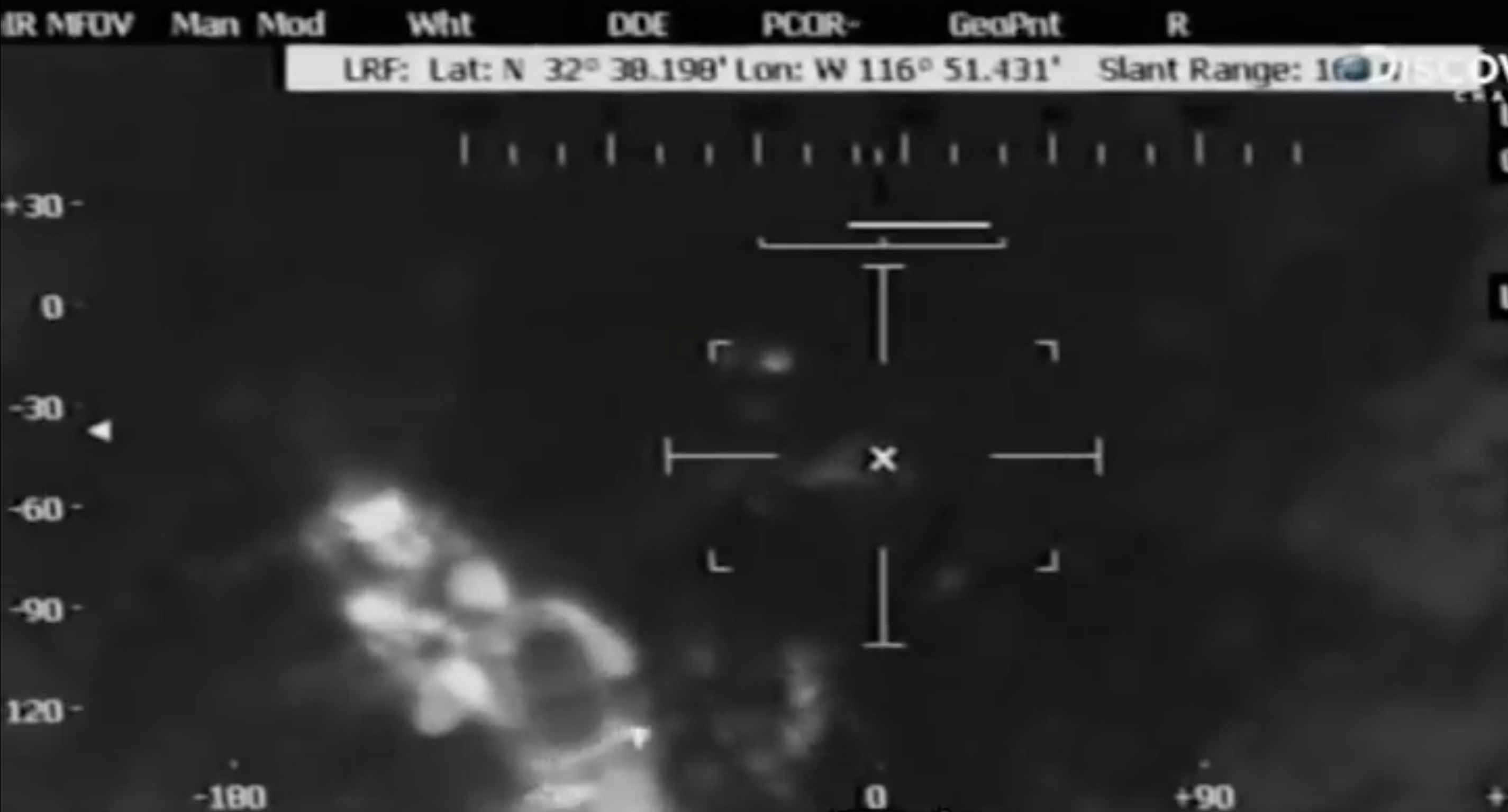
Behaviors: US agents often patrol dirt roads near the border, looking for fresh footprints as a sign of aliens trying to cross illegally. Complex terrain makes it difficult for officials to find immigrants, they often request helicopter assistance, the "sky eyes".
Detection equipment: reconnaissance drones, advanced seismic sensors in the soil, cameras (optical camera surveillance, forward-looking Infrared (FLIR) installed on helicopters, night vision goggles of officials), detection dogs. Mostly based on the smell and the heat map of the immigrants.
Further research:
Camouflage:
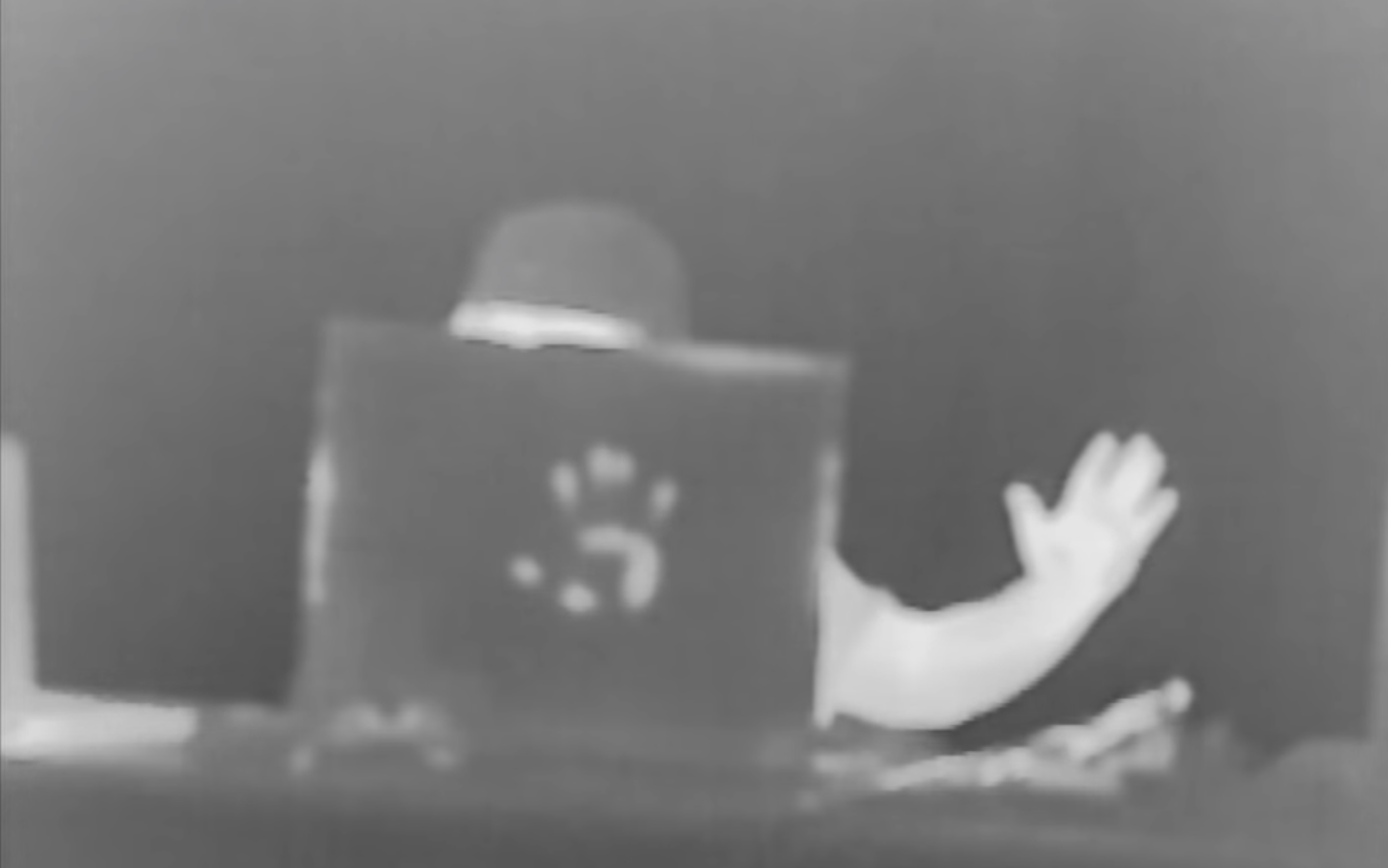
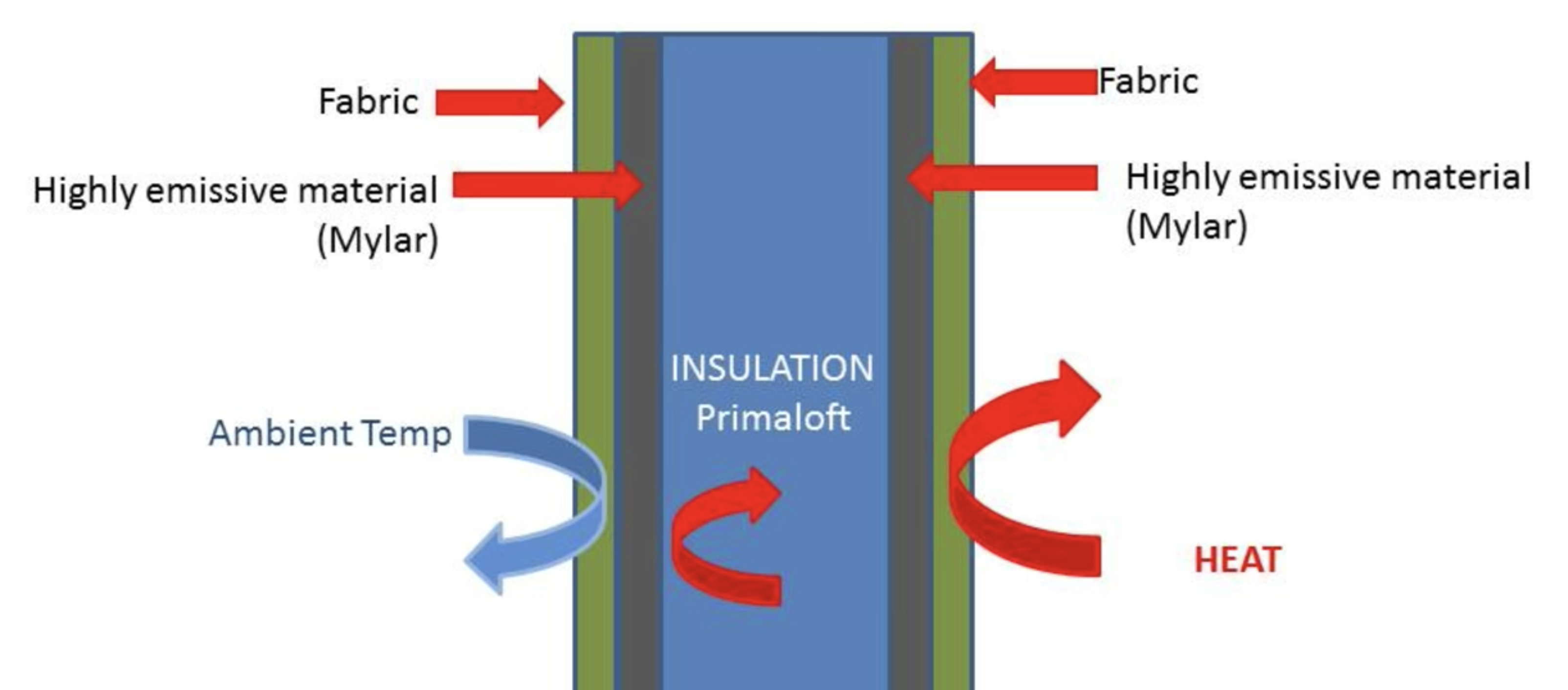
Glass, tin foil and Mylar the plastic sheet can effective reflect heat, behind which human heat map can be undetectable by FLIR.
Perception performance in desert:
Visual is low efficient in desert.
The brain is one of the highest energy demanding tissues of the human body. Comprising only about 2% of the body weight, it consumes 20% of the total oxygen and about a quarter of the total glucose used for energy supply. Within the brain, the visual system ranks amongst the highest energy-consuming systems.
Perhaps useful visual information of walking in deserts only contains direction, dangerous animals and plants, officers, cartels, and terrains by the feet.
Also, the visual illusions, like the mirage in the desert are fatal.
Precedent works:
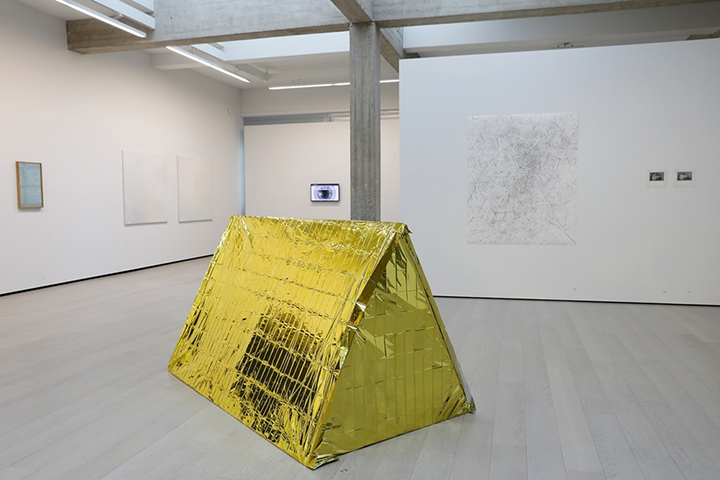
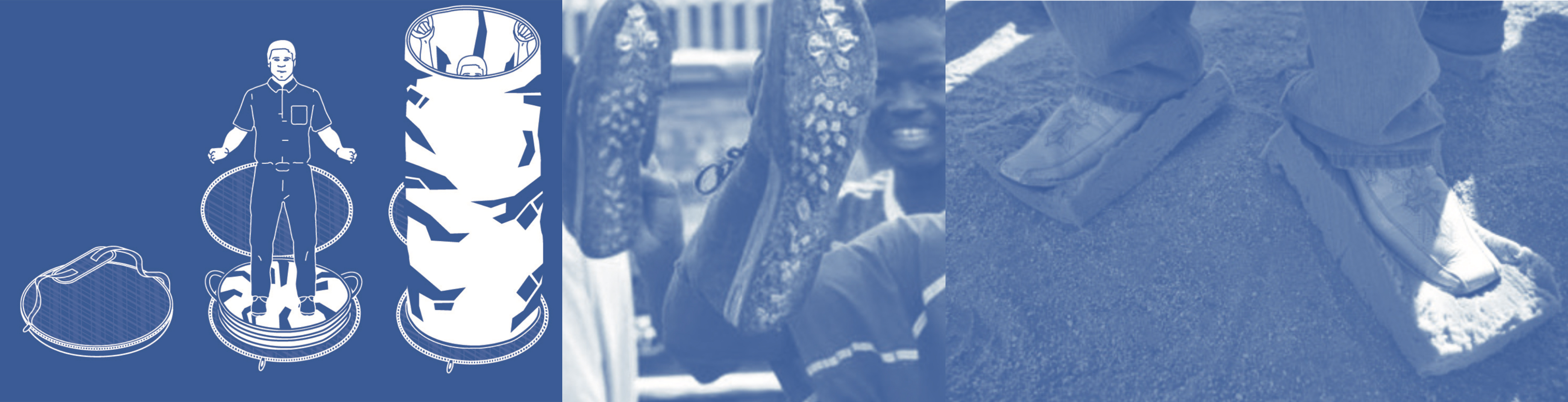
The Anti-Drone Tent designed by Dutch artist Sarah van Sonsbeeck.It promises to shield users from aerial infrared surveillance by hiding them beneath the heat-reflective surface of a Mylar space blanket. Taliban has been using the design for years.
Every Migrant's Guide to Illegal Border Crossings designed by Italian product designer Marta Monge. It is an instructional manual for making objects like floatation belts, collapsible ladders, and thermal invisibility cloaks out of everyday objects.
Guiding question:
How can technologies get involved in solving social and political problems from individual enhancing aspect?
On an individual scale, how can we reframe human sensory perception to change individuals' lives in context of social and political problems?
What should be the role of technologies, the ruling machine of central power or the liberator of individual desire?
Design scene:
Rio Grande River America-Mexico border area
Preliminary concept:
A wearable device that can reframe human sensory perception, and help immigrants get useful information more efficiently while walking in the desert.
It can provide visual camouflage at the day time and thermal camouflage at the night time.
Other reference:
https://www.nytimes.com/interactive/2018/06/30/world/smuggling-illegal-immigration-costs.html
https://www.whoisdayanicristal.com
https://www.wikihow.com/Survive-in-the-Desert
http://blackbag.gawker.com/the-taliban-already-had-this-artists-anti-drone-tent-1625912783
https://www.youtube.com/watch?v=9PLo5iCEcX4